Your home’s electrical panel, often referred to as a breaker box, plays a crucial role in a home’s electrical system. It serves as the central hub for distributing power throughout the home. Receiving electricity from your utility company, the electrical panel will direct it to different circuits, providing power to outlets, appliances, and light fixtures.
This essential component of your home protects circuits in order to prevent electrical fires in the event of an overload or short circuit. It’s safe to say that the electrical panel in your home is critical to control electricity and keep your home and family safe from any electrical hazards.
Considering the importance of the role your electrical panel plays, it’s essential to know when it’s time to upgrade your electrical panel.
5 Signs Your Electrical Panel Needs an Upgrade
Dealing with an outdated or malfunctioning electrical panel can pose many dangers to your home. Here are some signs that your electrical panel could use an upgrade:

- Circuit Breaker Is Tripping Frequently: Though tripping circuit breakers can be frustrating, they only do so to keep you safe. When a circuit breaker senses that a circuit is drawing too much power, it will trip automatically, shutting off power to the circuit to avoid a potential overload. Overloading your electric panel will cause trips in your circuit breaker. When this happens, you can flip the breaker back on to allow for power to that circuit again. If this becomes a routine, then it’s likely time to upgrade to an electrical panel that can match the amount of electricity needed for your home.
- Flickering or Dimming Lights: Flickering or dimming lights in the home can indicate loose connections within your electrical panel or could be due to an overloaded circuit. Either way, the electrical panel is not working to its full capacity, which can pose safety risks. It’s best to call an electrician if this occurrence is becoming apparent in your home.
- Buzzing Sounds or Burning Odors: One should only be able to hear a slight humming coming from their electrical panel, as circuit breakers can function almost silently. If you start to hear a loud buzzing, this is an indication that a circuit breaker has stopped working properly. If you smell something burning around your electrical panel, this can be a serious cause for concern. If not addressed properly, the burning smell can quickly lead to a house fire. If you smell burning plastic, it’s likely the plastic casing of an electrical wire melting. Contact a local electrician immediately.
- Insufficient Panel Capacity: Your electrical panel may not have enough available circuits or the overall capacity to handle the electrical load of your home. This situation can lead to various issues, and upgrading your electrical panel becomes necessary to continue using all of your desired electrical appliances.
- Outdated Fuse Box: Outdated fuse boxes use fuses as protective devices. While fuses serve the purpose of protecting circuits, they are less convenient than circuit breakers. Fuses have to be replaced when they blow, whereas circuit breakers can easily be reset. Additionally, finding replacement fuses for older systems may become more challenging over time.
Benefits of an Electrical Panel Upgrade
Upgrading your electrical panel in the home comes with many benefits. Here are just a few:
- Increases Electrical Capacity: The best way to increase the electrical capacity of your home is by installing a panel with a higher ampacity. Older homes may have electrical panels with lower amp ratings, such as 60 amps or 100 amps. Upgrading your electrical panel to 200 amps or more can be beneficial for the higher electrical needs of a modern lifestyle.
- Accommodates Modern Technology: If you plan on adding new appliances, electronics, or other power-hungry devices to your home, upgrading the electrical panel ensures that your electrical system can handle the increased demand without overloading the circuits.
- Enhances Safety Features: Modern electrical panels contain newer, advanced safety features, such as arc fault circuit interrupters (AFCIs) and ground fault circuit interrupters (GFCIs). These features not only improve safety but also contribute to the overall efficiency and reliability of your electrical system.
- Increases Energy Efficiency: Replacing your electric panel with a more modern model can reduce energy waste, maintain the functionality of other energy-efficient technologies, like smart thermostats and EV charging stations, and reduce the overall maintenance and downtime of your electrical system. This all allows for increased energy efficiency.
There are many serious risks involved with replacing an electrical panel yourself, and in most states, it’s illegal without the required permit. While some maintenance problems around the home appear to be an easy DIY fix, you never know what could happen if something goes wrong. The expertise of a licensed electrician who will take all necessary safety measures is required when replacing an electrical panel.
Blake Brothers aims to provide Huntsville with the finest team of electricians and the highest-quality services in the area. With decades of experience under our belts, we are proud to bring reliable residential, commercial, and auto electrical services to the Huntsville area. Contact us online or call us today at (256) 460-6174.
Being a homeowner comes with many great perks, like being able to decorate, paint, build, tear down, and pretty much do whatever you want to the house because you own it. With that also comes a bit more responsibility, like repairing, replacing, and maintaining all of the essential working components of your home.
One top priority for maintaining the functionality and safety of the home is your plumbing system. Plumbing problems are notorious for revealing themselves at the worst time. That’s why it’s important to have a 24-hour plumbing service near you on speed dial in case of a plumbing emergency.
What Is Considered a Plumbing Emergency?
A plumbing problem is considered an emergency when it poses an immediate risk to your property, health, or safety.
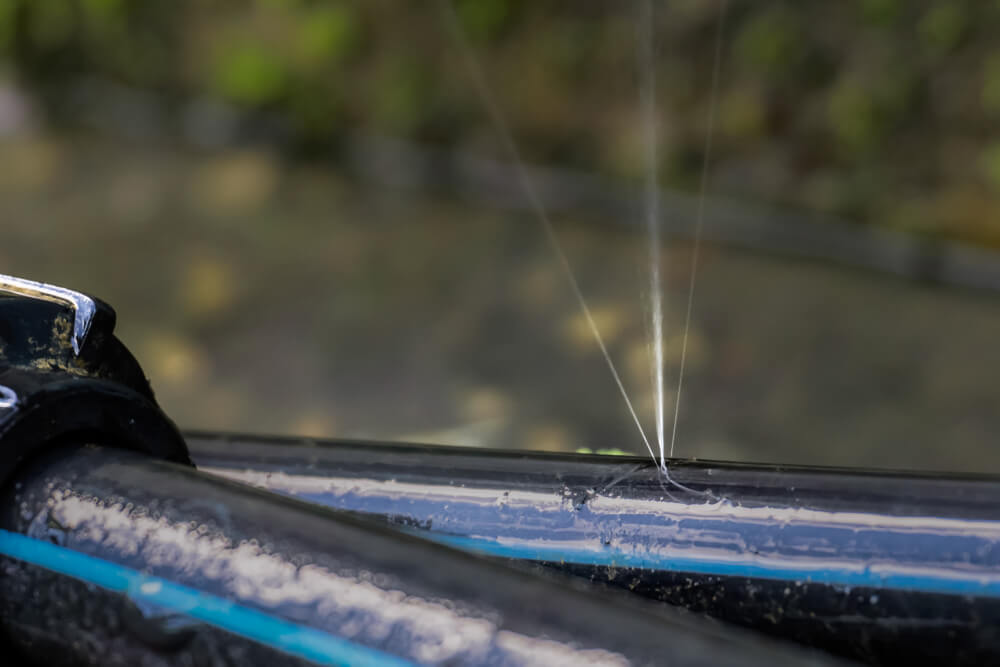
A leaking faucet doesn’t pose an immediate risk to your property, health, or safety; therefore, it could wait until the next business day. However, a burst pipe can be considered an emergency due to the chance of flooding, water damage, and mold growth, which can directly impact the safety of your home.
5 Types of Plumbing Emergencies
If you’re having trouble deciphering what qualifies as a plumbing emergency, below are some situations that are typically considered so.
- Frozen and Burst Pipes: In cold weather, frozen pipes can lead to bursts and water damage in your home. If you suspect frozen pipes, especially if they've burst, it's considered a plumbing emergency that requires immediate attention. It’s crucial not to wait too long after noticing the frozen pipes because they will start to expand, and that’s when the burst can occur, causing more damage.
- Malfunctioning Water Heater: A malfunctioning water heater, especially if it's leaking or showing signs of overheating, is considered a plumbing emergency. One of the primary dangers of a malfunctioning water heater is the risk of scalding hot water that can cause burning to the skin. Another concerning factor of a malfunctioning water heater is potential carbon monoxide poisoning with those that are powered by gas. They can produce carbon monoxide and, without proper ventilation, can create a buildup of poisonous air in your home.
- Drains Aren’t Draining: Clogs are one of the most common occurrences in plumbing. Some clogs can be eliminated with a plunger and a bit of muscle. But, if you can’t unclog them after plunging efforts, or if there’s a clog that consistently backs up, you should call an emergency plumber. Plumbers have access to exclusive tools like tiny cameras that can be snaked into drain pipes to allow for easy removal if something is causing the blockage. Hair, grease build-up, tree roots invading underground pipelines, and issues with your septic tank are a few possible problems that can prevent your drains from draining properly.
- Water Contamination: If you notice a sudden change in your water quality—for example, its color, taste, or smell is off—this could be a sign of contamination and is considered a plumbing emergency. Wait to use the water until the issue is resolved. In any emergency plumbing situation, it's crucial to turn off the water supply to the affected area and contact a licensed emergency plumber as soon as possible. They have the expertise and equipment to address emergency plumbing issues and can help prevent further damage.
- Toilet Continuously Overflows: If your toilet is consistently overflowing, it's advisable to turn off the water completely and refrain from using it until an emergency plumber can inspect it. Locate the water shutoff, usually beneath the bowl at the back or on the left-hand side. If the overflow occurs immediately after a flush, it’s likely due to a blockage. Attempt to use a plunger, but if unsuccessful, it's crucial to stop and call a plumber to avoid potential damage. In cases where toilets overflow seemingly without reason, it may indicate a clog in the drain pipe, either in the main drainpipe or the sewer line. This type of issue requires prompt attention from a plumber who can assess and resolve the problem, whether through intensive pipe cleaning or a comprehensive check of your home's sewer lines.
Having a fully functional plumbing system is critical for comfort and productivity in the home, but sometimes, an unexpected problem arises that can derail your entire schedule. You need a reliable and speedy plumbing company available 24/7.
For reliable emergency plumbing services in Huntsville, choose Blake Brothers. No matter the scale or complexity of the job, you can count on our certified plumbers to deliver cost-efficient, quality results. We understand how inconvenient a plumbing emergency can be, so our team is on-call and ready to help you any time you need it. Contact us today for any of your plumbing needs.
High-pressure water jetting, also known as hydro jetting, is a method of drain cleaning that can unclog pipes and sewer lines. Hydro jetting uses a long hose that shoots pressurized water into the pipe or drain, clearing out any waste buildup that might have been restricting water flow and draining.
This technique is especially handy for removing calcified scale, breaking up blocks of ice to prevent pipes from freezing, and breaking down oil and grease within the pipes. Blockages are one of the most common plumbing problems homeowners face, so becoming familiar with hydro jetting is essential for maintaining the drains and pipes in your home.
How Does Hydro Jetting Work?
During a hydro jetting service, a plumber will use special equipment known as a jetter. Jetters are heavy-duty equipment that plumbers use to clear clogs. Anyone can buy one from a home appliance store, but they are likely less powerful than the commercial equipment a plumber uses.
The components of a jetter include a tank of water, a nozzle, and a pressurizing device to pressurize the water in the nozzle so it is ready to unload when released. There are different nozzles to use, depending on the size of the drain or the severity of the clog. For example, a chisel-type nozzle can be useful for cutting through tougher blockages like tree roots or ice buildup.
Before the hydro jetting process actually takes place, the plumber should perform a video inspection inside your sewer line by snaking a tiny video camera down it for a better perspective on where the clogs are and what they’re made of.
Some pipelines, specifically older ones, may not be able to withstand the pressure from a hydro jet. To ensure that your drains and pipes are cleaned in the best possible way, our skilled plumbers will perform a comprehensive inspection and suggest the most suitable approach based on their findings.

4 Benefits of Hydro Jetting
Hydro jetting your pipes offers several benefits for cleaning and maintaining plumbing systems. If you’re deciding whether or not hydro jetting is worth it, here are some of the advantages:
Thorough Cleaning
The powerful water jets used during hydro jetting provide a thorough cleaning of the entire pipe's interior surfaces. This helps eliminate built-up residues, preventing future clogs and maintaining optimal flow. Hydro jet pipe cleaning services aren’t only needed when you experience a clog; they can also be used as preventative maintenance before a major plumbing emergency arises.
Environmentally Friendly
This form of pipe and drain cleaning is an environmentally friendly option. It doesn't involve the use of toxic chemicals, reducing the environmental impact compared to some alternative methods. Drain and pipe cleaners often contain potassium hydroxide to transform grease into soft soap and thioglycolic acid to dissolve hair. Other common ingredients include sodium hydroxide, lye, or sulfuric acid, which are harmful to the environment.
Quick and Efficient
Hydro jetting is often a faster and more efficient method of clearing blockages compared to traditional methods like snaking. This can reduce downtime and inconvenience associated with plumbing issues. Because of the quicker and easier process, hydro jetting costs less than alternative methods.
Versatile Pipe Cleaning
Hydro jetting is versatile and can be used in various types and sizes of pipes, from residential drains to large municipal sewer lines. It can address blockages in both horizontal and vertical pipes. Because of its versatility, hydro jetting services can be performed on just about any pipe.
Read More: How Often Should Your HVAC Ducts Be Cleaned?
When to Consider Hydro Jetting
As mentioned above, hydro jetting can be a preventative service or can be used to unclog a blockage that has already happened. Here are some situations and signs that may indicate it's time to consider hydro jetting services:
Recurring Clogs
If you're experiencing persistent or recurring clogs in your drains or sewer lines, it may be an indication that there is a buildup of debris, grease, or other materials that traditional methods haven’t fully addressed in the past. Hydro jetting can effectively clear out stubborn blockages from your pipes.
Slow Drainage
If water is draining slowly in sinks, tubs, or showers, it could be a sign of partial blockages within the pipes. Hydro jetting can remove accumulated debris and restore proper drainage.
Foul Odors
Unpleasant smells coming from your drains can be a sign of stagnant water, organic matter, or other debris accumulating in the pipes. Hydro jetting not only clears blockages but also helps eliminate odors.
Multiple Clogged Fixtures
If more than one fixture in your home is experiencing drainage issues simultaneously, it is often a sign of a blockage in the main sewer line. Hydro jetting is effective for cleaning larger pipes and resolving issues in the main line.
Blake Brothers offers various plumbing services, from drain cleaning to plumbing maintenance. All our technicians are well-trained and skilled individuals who are well-versed in cleaning various types of piping. Contact us today to schedule our popular hydro jetting services.
As a parent or pet owner, ensuring the comfort and safety of your family can be considered a top priority. One crucial component of the home that is easily forgotten about is your home’s HVAC system.
This essential piece of equipment is responsible for the heating, cooling, and ventilation of your home, which can directly impact the health of your loved ones. These HVAC maintenance tips for pet owners and parents will help ensure a comfortable and healthy home environment for your family and four-legged friend.

1. Replace the Air Filter Often
Pet hair, dust, and other airborne contaminants travel throughout your house when you have a dirty or clogged air filter. A dirty air filter also causes your HVAC system to work harder due to restricted airflow. It is best to inspect your air filter every 30 to 90 days to see if it needs to be cleaned or replaced.
2. Regularly Clean Your Vents
It’s common for dust, pet dander, and other particles to build up on your vent covers. It doesn’t matter whether your vents are located up higher or on the floor, as they’re still bound to accumulate dust over time.
If you have floor vents in your home, pets will tend to lay on them for warmth or to cool off, depending on the season. For homes with floor vents especially, it’s important to regularly clean them for better airflow and cleaner air to be circulated throughout the house.
3. Schedule Regular HVAC Maintenance
Scheduling maintenance on your HVAC system is ideal before the season changes, especially in the winter and summer months when we see drastically low or high temperatures. Ensuring that your HVAC system is well-maintained and ready to take on harsh temperatures is important in making sure that your family is comfortable and not left worrying about a breakdown.
4. Promote Healthy IAQ
Indoor air quality is important for everyone, especially for a child whose immune system and respiratory tract are still developing. Babies breathe in more air per pound of body weight than adults, which makes them more vulnerable to airborne contaminants.
To enhance the indoor air quality in your home, consider using air purifiers or installing air-cleaning systems within the HVAC unit. Regularly clean and dust your home to reduce allergens and pollutants. You can also promote proper ventilation by opening windows when weather permits.

5. Consider a Programmable Thermostat
A programmable or smart thermostat can be set to keep your home within your ideal temperature range. It can even be adjusted remotely, ensuring your child's and pet’s comfort even when you’re away.
Some models can be programmed to send alerts to your phone if the temperature exceeds the set range, allowing for quick adjustments. This is an attractive feature for parents with a baby, considering babies are significantly more sensitive to temperature fluctuations than adults and cannot regulate their body temperature as effectively.
6. Consider High-Quality Air Filters
Another important HVAC tip for parents is to install high-quality filters. Air filters are an essential component of your HVAC system. There are various models for specific needs. The pricier air filters often have a higher MERV rating than standard air filters, which means that they have a larger surface area to filter while still trapping smaller particles.
MERV stands for “Minimum Efficiency Reporting Value,” and it’s a measure of how well an air filter can remove particles from the air. Investing in high-efficiency air filters that are designed to capture pet dander and allergens can help improve your home’s indoor air quality and reduce the impact of pet-related contaminants on your HVAC system.
7. Groom Your Pets Regularly
Regularly grooming your pets helps minimize shedding, reducing the amount of hair and dander that enters your home’s HVAC system. Brushing your pets frequently can also make a significant difference in maintaining a cleaner environment.
By following these HVAC maintenance tips for pet owners and parents, you can create a more comfortable and healthy indoor environment for both your family and your pets.
Blake Brothers has been a trusted name in the HVAC services industry in Huntsville for over 135 years. If you are looking for a reliable HVAC contractor company with knowledge of proper indoor air quality, then contact us today.
We also offer a Priority Maintenance plan that provides two HVAC system tune-ups each year, ten percent off repair quotes, no emergency fees, and more!
Ceiling fans serve some important functions throughout your home. Their main job is to distribute air throughout a room, avoiding any stagnant air in the home, which can lead to many problems like stuffiness, odors, and the accumulation of indoor pollutants.
In concert with heating and AC systems, ceiling fans are also useful for enhancing energy efficiency in the home. Set your thermostat a few degrees higher in the summer or lower in the winter to reduce overall energy consumption and further lower your utility bills.
Additionally, many ceiling fans come equipped with built-in lighting fixtures, providing both illumination and air circulation in one piece of equipment. Installing a ceiling fan with a light is especially convenient for smaller rooms with no extra space for fans and lighting fixtures.

6 Factors to Consider Before Installing a New Ceiling Fan
There is quite a selection of different makes and models of ceiling fans on the market. With so many choices, finding one within your budget and aesthetic should be easy enough. Here are six factors to consider if you’re thinking about installing a ceiling fan.
1. Budget
Finding a ceiling fan that fits your home’s needs, budget, and interior design is essential to staying happy with your hopefully long-lasting decision. A standard ceiling fan will typically last ten years, depending on wear and tear, so setting a budget is important to ensure you don’t get the cheapest ceiling fan that might not last you as long. Setting a reasonable budget also ensures you aren’t breaking the bank.
2. Size
The size of your ceiling fan is crucial for its effectiveness in cooling your home. Now, you might be wondering how to measure the right ceiling fan size and how to determine what size ceiling fan to buy. The size of a ceiling fan is typically measured by the diameter of the fan blades, and it is expressed in inches. The size directly impacts the fan's ability to move air and create a comfortable environment.
3. Cubic Feet of Airflow per Minute (CFM)
CFM is a measure of the volume of air a ceiling fan can move in one minute. Larger fans typically have a higher CFM rating, indicating their ability to move more air. A ceiling fan's CFM should be appropriate for the room size to ensure effective cooling.
4. Motor
The primary function of the ceiling fan’s motor is to drive the rotation of the fan blades. The motor converts electrical energy into mechanical energy, causing the blades to spin. The speed and power of the motor determine how fast and effectively the blades move, influencing the airflow and cooling capacity of the fan. The quality of the motor can also influence the noise level of the fan while it’s on. High-quality motors are designed to operate quietly, providing a comfortable and peaceful home environment. Additionally, some motors are reversible, allowing the ceiling fan to operate in both clockwise and counterclockwise directions. This feature is useful for winter heating as it helps distribute warm air evenly.
5. Number and Angle of Blades
The number and angle of blades on a ceiling fan can have an impact on its performance, efficiency, and aesthetics. Most modern residential fans have a range of two to nine blades. The number of blades really comes down to your personal preference and style. It’s the motor and angle of the blades that really affect the airflow. A fan with fewer blades tends to move more air than those with a higher number of blades. This is because fewer blades put less pressure on a traditional motor and create more powerful airflow. The difference in airflow is also influenced by other factors like motor power, the overall design of the fan, and the angle or pitch of the blades. A steeper blade pitch can move more air, making the fan more effective at creating a breeze and providing better cooling.
6. Energy Efficiency
Fans with fewer blades tend to be more energy-efficient. While the number of blades is just one factor, fans with three or four blades are often more efficient in terms of moving air with less resistance compared to fans with a higher number of blades.
Additionally, choosing a fan that is appropriately sized for the room is essential for energy efficiency. An oversized ceiling fan may consume more energy than necessary, while an undersized fan may need to operate at higher speeds to provide sufficient airflow.

Ceiling Fan Installation Cost
The cost of ceiling fan installation can vary based on several factors, including the complexity of the installation, location, and features that specific fan comes with. Here's a breakdown of the different types of ceiling fans and their costs to install:
- Damp-rated: $125 to $1,100
- Directional: $150 to $800
- Dual-Motor/Rotational: $200 to $1,500
- Energy Star Certified: $60 to $600
- Hanging Propeller: $150 to $550
- Low-Profile: $50 to $300
- Smart Fan: $120 to $1,000
- Standard: $50 to $300
- Wet-Rated: $150 to $1,200
Can I Install a Ceiling Fan Myself?
Anyone can install a ceiling fan, but that doesn’t mean that everyone can do so safely. The ceiling fan will need to attach to the correct wires, of which there are several. If you don’t have wires where you want to install your ceiling fan, those have to be run from the circuit.
Remember that there is always a risk when you deal with electricity, and safety precautions should be taken. Skip all that hassle and have a professional electrician do it for you. The electricians at Blake Brothers know how to wire new ceiling fans and guard against fire risks.
Contact Blake Brothers for ceiling fan installations in Huntsville, Alabama, and surrounding areas.
Many people agree that a home with few outlets can be frustrating. Appliances, lighting fixtures, electronics, chargers, and much more require to be plugged into an outlet for power, but what happens when there’s not one in reach? Power strips and extension cords are options, but they can be an eyesore and potential hazard, especially when there are multiple in use.
Adding outlets to a room is an option, so you’re never stuck with the same amount of outlets that the home was built with. However, electrical work can be complex and dangerous to perform on your own. The next question that people find themselves asking is, do you need an electrician to install outlets?
The short answer is no, you don’t need one. However, if you’re not familiar with electrical work or you don’t have the necessary tools, it’s best to contact an electrician who has experience installing electrical outlets and can determine the correct type needed that will still fit your budget.
7 Types of Electrical Outlets
When adding outlets to your home, there are a number of options you can consider based on the location of the outlet and how you plan to use it.
1. Standard 120V
A 120-volt outlet is the most common type of outlet you’ll find in standard American homes. It’s used for most small household appliances, lighting fixtures, electronics, and smartphone chargers.
2. 220V, 240V, and 250V
These outlets are typically used for powering larger equipment that require higher voltage levels. Some common appliances include washers and dryers, central AC units, electric water heaters, and heavier workshop machinery.
3. 2-Prong vs. 3-Prong
Have you ever noticed that some homes only have 2-prong outlets installed? Most homes built before the 1970s will contain 2-prong outlets rather than 3-prong, which is what’s required for your building to be up to code these days. The 3-prong outlet contains a ground wire, meaning it protects against electrical faults like short circuits or surges. If you’re looking to upgrade your electrical outlets from a 2-prong to a 3-prong, consult with a licensed electrician to ensure that the system is properly grounded and meets current safety standards and codes.
4. GFCI Outlets
GFCI outlets, or ground fault circuit interrupter outlets, are required in any place where water may be present, like kitchens or bathrooms. You’ll likely be able to differentiate between other outlets because a GFCI outlet will have a reset and test button on the faceplate. Unlike the standard outlets, a GFCI outlet is designed to monitor current flow and will trip the circuit if it detects any variation in the flow, preventing surges and electrocution.
5. AFCI Outlets
AFCIs are designed to detect and respond to arc faults, which are unintended electrical discharges that can occur when electrical wiring is damaged or deteriorated. The primary purpose of AFCIs is to reduce the risk of electrical fires caused by arc faults.
6. Outdoor
Many homes come equipped with an electrical outlet installed outside for a convenient source of power for various outdoor activities. These outlets are mainly used for powering decorative outdoor lights, lawn equipment, and pool equipment (if applicable).Having an outlet outdoors is also convenient for EV charging stations. Outdoor outlets are designed to withstand exposure to the elements. They often have weather-resistant covers to protect against rain, snow, and dust, ensuring safe operation in outdoor environments.
7. Smart Outlets
If you have a smart home system, updating your outlets to smart outlets is a great way to seamlessly control electronics and keep utility bills low. A smart outlet is an electrical outlet that is equipped with wireless communication technology, allowing users to control and monitor connected devices remotely through a smartphone or other smart devices. Smart outlets are part of the broader category of smart home devices, contributing to home automation and connectivity.
How Much Does It Cost to Add an Outlet to Your Home?
The national average cost to install an electrical outlet is $280, with $40 being the minimum and $1,500 being the higher end. Of course, the price will vary depending on the type, location, and the state of the home’s current electrical wiring.
The outlet price itself is the cheapest part. It’s mainly the installation and any additional electrical work needing updating for the outlets that cost the most money. See below for a breakdown of electrical outlet installation costs by type:
- Standard 120V: The outlet unit price alone can be anywhere from $1 to $7, with installation ranging from $150 to $300.
- 220V, 240V, 250V: The outlet unit price for these higher voltage outlets ranges from $8 to $30, with installation being anywhere from $250 to $800.
- GFCI and AFCI: GFCI and AFCI outlets typically fall anywhere between $12 to $40 with a $150 to $350 installation fee.
- Outdoor: An outdoor outlet typically ranges from $15 to $30, and installation is $180 to $350.
- Smart: A smart outlet will typically cost $20 to $50, with installation ranging from $175 to $350.
Before every electrical outlet installation, Blake Brothers’ electrical team will discuss your electrical needs and requirements with you so we can help you pick the correct type of outlet for every space in your home. With decades of industry experience, you can be confident in our ability to safely install electrical outlets and ensure everything is up to code.
If you are worried about arcs and surges, consider installing a whole-home surge protector. Surge protectors can protect your electric system, appliances, and electronics from shock and damage. Contact us today to schedule a service.


