Blog
How to Choose the Right Backup Generator for Your Home
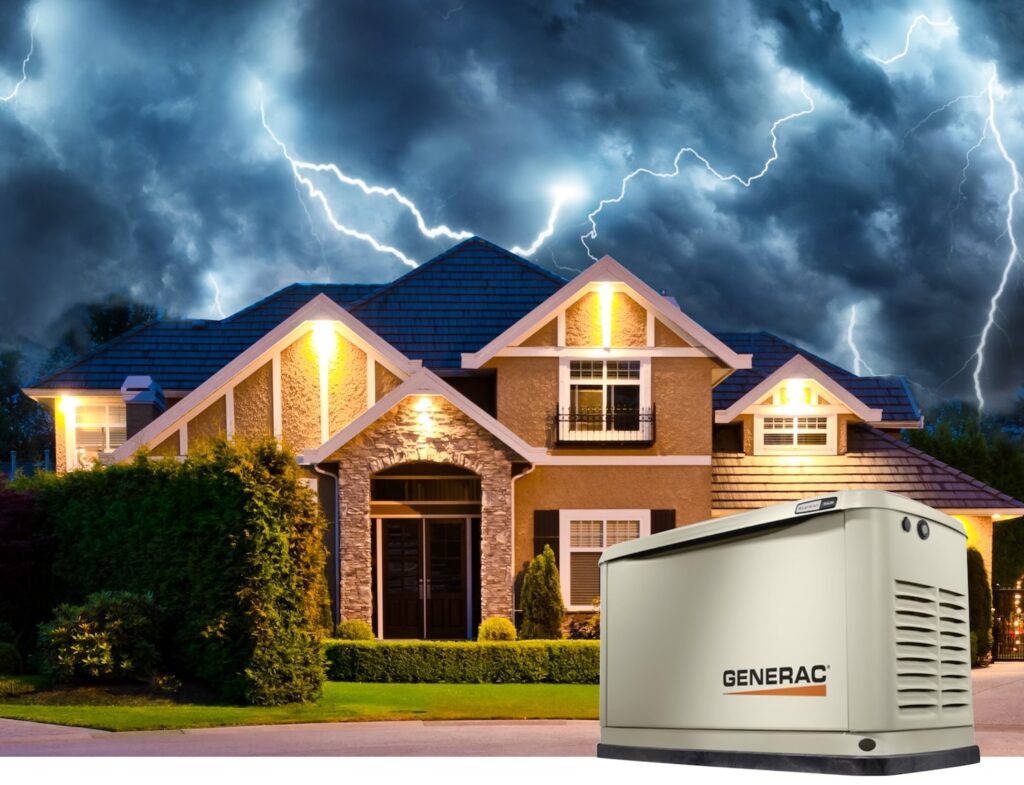
Power outages aren’t just inconvenient—they can disrupt your daily life, threaten your safety, and even damage home systems and appliances. Whether caused by severe weather, overloaded electrical grids, or unexpected equipment failures, losing power for even a few hours can quickly become a serious problem for homeowners.
In areas we serve, like Huntsville and across North Alabama, storms, extreme summer heat, and seasonal weather patterns can occasionally lead to extended outages. For many homeowners in the Tennessee Valley region, installing a dependable backup generator is one of the most effective ways to keep the lights on and maintain comfort during unexpected power disruptions.
At Blake Brothers, we’ve been helping homeowners protect what matters most since the 1880s. Our legacy is rooted in dependable service and doing right by our community—values we bring to every installation, repair, and recommendation. If you’re considering a backup generator, this guide will walk you through the key decisions, from sizing and fuel types to installation and long-term support.
Step 1: Determine What You Need to Power
Before selecting a generator, think about what you want it to support when the power goes out. Every home is different, and your priorities may range from basic comfort to full-home operation.
Backing Up the Essentials
If your goal is to keep just the necessities running, a smaller standby generator may be enough. These systems typically power items such as:
- Refrigerators and freezers
- Lighting
- Wi-Fi router
- Sump or well pumps
- Medical equipment
- A few key outlets or circuits
This approach is cost-effective and provides peace of mind during short outages or seasonal storms.
Powering the Whole House
For many homeowners—especially families, remote workers, or households with medical equipment—whole-home coverage is often the preferred solution. Whole-house generators can run HVAC systems, kitchen appliances, water heaters, washers, dryers, and more, allowing your home to function normally even when the power grid goes down.
This type of system is ideal if you:
- Experience frequent or extended outages
- Rely on electricity for health-related devices
- Want maximum comfort and continuity during emergencies
Get the Right Size
Sizing your generator correctly is critical. A unit that’s too small won’t meet your needs, while one that’s too large could waste energy and money. Our licensed technicians evaluate your home’s layout and electrical load to calculate the proper generator size—ensuring optimal efficiency and performance.
Step 2: Choose Your Fuel Source
Generators come in several fuel types, and each option has advantages depending on your home’s infrastructure and energy needs.
Natural Gas
- Connects directly to your existing utility gas line
- No need to refuel or store fuel onsite
- Cleaner-burning and lower maintenance
If your home already has natural gas service, this is often the most convenient and reliable choice.
Propane
- Stored in tanks on your property
- Burns clean and stores well
- Ideal for homes without natural gas service
Propane generators are a great option for rural properties or homeowners who prefer independence from municipal utilities.
Diesel
- High energy density and strong efficiency
- Often used for large homes or commercial applications
- Requires fuel storage and regular maintenance
While less common for residential installations, diesel generators can be appropriate in certain situations where long-term fuel storage is required.
If you’re unsure which fuel source is best for your home, Blake Brothers can walk you through your options and help you choose the safest and most cost-effective solution.
Step 3: Understand the Installation Process
Installing a standby generator requires careful planning, permits, and professional electrical work. When installed correctly, the system provides seamless backup power whenever an outage occurs.
On-Site Consultation
Our team begins with an in-person evaluation to determine your power requirements and inspect your home’s electrical system. We review your goals and recommend generator models that match your household’s needs.
Permit Handling
Generator installations typically require permits and inspections. Our team manages the entire permitting process and ensures every step meets local electrical codes and safety standards.
Professional Installation
Once everything is approved, our technicians install the generator, connect the transfer switch, and integrate the system with your home’s electrical panel and fuel source. After installation, we test the generator and walk you through how it operates so you’re prepared for the next outage.
Why Backup Generators Are Popular in North Alabama Homes
Across the Tennessee Valley region, weather patterns can create occasional power disruptions. Thunderstorms, heavy rain, and strong winds can damage power lines or overload electrical infrastructure.
During summer months, extreme heat can also put pressure on the power grid as air conditioning demand increases. For homeowners in Huntsville and surrounding North Alabama communities, installing a standby generator provides an added layer of protection and peace of mind when outages occur.
Standby vs. Portable Generators
Many homeowners wonder whether a portable generator is enough or if they should install a standby system.
Portable generators can provide temporary power but require manual setup, fueling, and extension cords.
Standby generators are permanently installed and activate automatically when the power goes out.
Standby Generator Benefits:
- Automatic activation: turns on within seconds of an outage
- Hands-free operation: no cords or manual fueling
- Permanent installation: integrated with your home’s electrical system
- Improved safety: reduces risks associated with portable generators
There are many different types of generators. For long-term home protection, most homeowners prefer the reliability and convenience of a professionally installed standby generator.
Backup Generator Installation in Huntsville, AL
If you’re considering a backup generator for your home, working with an experienced installation team is essential. Blake Brothers provides professional generator installation and electrical services for homeowners throughout Huntsville, Madison, Decatur, and surrounding North Alabama communities.
Our technicians handle everything from system sizing and permits to installation and testing, ensuring your generator operates safely and reliably when you need it most.
Be Ready Before the Next Storm Hits
Power outages don’t come with a warning—but preparation can make all the difference. A backup generator is more than a convenience; it’s protection for your family, comfort, and livelihood.
If you’re exploring generator options or ready to install a generator, Blake Brothers is here to help. Our team will assess your home, answer your questions, and recommend a solution designed to keep your home powered, safe, and comfortable.
Frequently Asked Questions
The cost varies based on size, fuel type, and installation complexity, but most systems range from $5,000 to $15,000. At Blake Brothers, we offer transparent pricing and personalized quotes—no surprises or hidden fees.
- Natural gas units can run indefinitely as long as the gas supply remains active.
- Propane and diesel models typically run 24–72 hours on a full tank, depending on usage and fuel storage capacity.
Yes. With proper sizing and installation, your generator can support your whole home—just like the power never went out.
Absolutely. Generators are like any other mechanical system—they require routine care to stay in top condition. We recommend an annual inspection to test performance, check fluids and filters, and make sure everything is operating safely.
Yes. Standby generators include an automatic transfer switch that detects power loss and starts the generator within seconds.
The correct generator size depends on your home’s electrical load and whether you want to power only essential circuits or the entire house.
For homeowners in Huntsville and surrounding areas, a standby generator can provide peace of mind during severe weather, summer heat events, or unexpected grid outages.