Blog
What Is Crawl Space Encapsulation and Do You Need It in North Alabama?
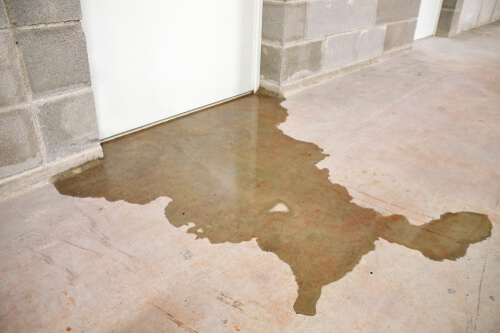
In North Alabama, crawl spaces deal with moisture almost year-round. Heavy rain, humid summers, wet soil, and older home construction all create conditions where damp air and standing water collect underneath the house.
What is crawl space encapsulation? It is a method of sealing and protecting the crawl space to help control moisture, humidity, and outside air entering beneath the home. Not every house in Huntsville or the Tennessee Valley needs full encapsulation, but some homes benefit from more aggressive moisture control depending on the condition of the crawl space.
Blake Brothers has served Huntsville and surrounding North Alabama communities since 1884. This guide explains what encapsulation includes, when it makes sense, and how homeowners can tell the difference between a small moisture issue and a larger crawl space problem.
What Is Crawl Space Encapsulation?
Crawl space encapsulation is a moisture-control system designed to isolate the crawl space from outside humidity, groundwater moisture, and unconditioned air.
The goal is to reduce crawl space moisture before it damages the home.
Encapsulation is commonly recommended in parts of Huntsville, Madison, Athens, and Decatur where damp crawl spaces stay humid for long periods after rainfall.
What Does Crawl Space Encapsulation Include?
Most encapsulation systems include several components working together to control moisture beneath the home.
Common parts of the system include:
- Vapor barrier installation
- Sealed crawl space vents
- Moisture and humidity control
- Air sealing around openings
- Drainage improvements
- Insulation replacement if needed
- sump pumps for groundwater control in flood-prone areas
Some homes also require leak detection if plumbing lines beneath the house have been contributing to long-term crawl space moisture.
Do You Need Crawl Space Encapsulation in North Alabama?
Not every crawl space needs full encapsulation. Some homes only have isolated moisture problems.
Homes across the Tennessee Valley deal with conditions that make moisture harder to control long term. Hot humid summers, clay-heavy soil, shaded lots, and repeated rainfall all contribute to damp crawl spaces beneath older homes.
In areas around Huntsville, Owens Cross Roads, and Meridianville, moisture problems become more common in homes with poor drainage or aging vented crawl spaces.
Do i need crawl space encapsulation? That usually depends on how much moisture is present, how often the problem returns, and if conditions beneath the home are already affecting indoor air quality or structural materials.
Signs Your Home May Need Crawl Space Encapsulation
Several warning signs may point to ongoing crawl space moisture problems.
Common signs include:
- Musty odors inside the home
- High indoor humidity
- Mold or mildew growth
- Soft or uneven floors
- Pest or insect activity
- Standing water beneath the home
- Damp insulation
- Condensation on pipes or ductwork
Why Crawl Spaces Have Moisture Problems in North Alabama
North Alabama weather creates conditions where crawl spaces stay damp for long stretches of the year.
Common causes include:
- Hot, humid summer air
- Heavy rainfall during spring and fall
- Poor drainage around the foundation
- Clay soil holding moisture near the home
- Older crawl space construction
- Flood-prone low areas
Benefits of Crawl Space Encapsulation in North Alabama
The benefits of crawl space encapsulation usually involve long-term moisture control and improved conditions beneath the home.
Benefits often include:
- Lower crawl space humidity
- Reduced mold risk
- Better indoor air quality
- Less musty odor inside the home
- Improved comfort indoors
- Reduced moisture damage
- Better energy efficiency during humid weather
Encapsulation also helps protect materials beneath the home from moisture damage.
Crawl Space Encapsulation vs Basic Moisture Control
Some homes benefit from simpler moisture-control solutions instead of full encapsulation.
Minor drainage corrections, isolated repairs, or improved ventilation may solve smaller moisture issues without sealing the entire crawl space.
Full encapsulation is usually recommended when moisture problems keep returning.
Plumbing services may also become necessary if damaged pipes or slow leaks are contributing to moisture beneath the home.
When Is Crawl Space Encapsulation Not Necessary?
Encapsulation is not always the correct solution.
Some homes only have:
- Minor seasonal moisture
- A one-time plumbing leak
- Small drainage issues near the foundation
- Dry crawl spaces with good airflow
- Isolated humidity concerns
A full inspection helps determine whether your crawl space needs encapsulation or if a smaller repair approach makes more sense.
Is Crawl Space Encapsulation Worth It for Older Homes?
In many older North Alabama homes, crawl spaces were built before modern moisture-control standards existed. Homes throughout Huntsville, Athens, and Decatur often have aging vent systems, exposed soil, and insulation already affected by humidity.
Some homeowners also enroll in a maintenance plan to keep crawl space systems inspected regularly after installation.
How Do You Know What Your Crawl Space Really Needs?
A full inspection helps determine what your crawl space needs. Some homes need smaller repairs instead of full encapsulation.
Financing is available for larger moisture-control and encapsulation projects when extensive repairs are needed.
Recent reviews from North Alabama homeowners often mention improved air quality and reduced moisture issues after crawl space work is completed.
Blake Brothers serves homeowners throughout Huntsville, Madison, Decatur, Athens, and surrounding service areas across North Alabama.
Call Blake Brothers at (256) 460-6174 or book online to schedule a crawl space inspection.
Schedule OnlineFrequently Asked Questions
A professionally installed encapsulation system can last for many years when the crawl space stays properly maintained and moisture issues are controlled.
Yes. Encapsulation helps reduce the moisture conditions that allow mold and mildew to grow beneath the home.
In many homes, yes. Reducing moisture beneath the house often improves humidity conditions inside the living space as well.
Controlling moisture and outside air movement beneath the home can help HVAC systems operate more consistently during humid weather.